Default Hearing in Ontario: Summoned by the FRO?
This is not a regular court date. Facing a Default Hearing means you are at risk of jail time for unpaid support. Learn how to prepare and avoid a Committal Order.
Legal Review: This enforcement guide was reviewed by Deepa Tailor, Senior Family Lawyer, to ensure compliance with FRO procedures and the Family Responsibility and Support Arrears Enforcement Act.
The Quick Answer: What Happens at the Hearing?
A Default Hearing is a specialized court proceeding initiated by the Family Responsibility Office (FRO) when a payor has fallen significantly behind on Child or Spousal Support payments. The purpose is not to change the support amount, but to determine why you haven't paid.
If the court finds you are "willfully non-compliant" (you have the money but refuse to pay), the judge can issue a Committal Order (send you to jail for up to 180 days) or suspend your driver's license.
What Can the Judge Order?
At a Default Hearing, the judge has three primary options depending on your circumstances and compliance history.
The Payment Plan
Periodic Payments
The judge orders you to pay the regular amount PLUS a monthly amount toward the arrears. This is the most common outcome when you demonstrate good faith.
The Jail Sentence
Committal Order
You are ordered to jail. Often, this is a "Refraining Order," meaning you don't go to jail AS LONG AS you keep making payments.
The Adjournment
Delay
If you bring proof of a new job or a pending Motion to Change, the judge may push the date back to give you time to resolve the situation.
The "Variation" Trap
Wrong Venue
Many people show up to a Default Hearing saying:
"I can't afford this! The amount is too high! I lost my job!"
The Problem: The Default Hearing judge cannot lower the support amount. They can only enforce the existing order.
This hearing is about enforcement, not modification. The judge's only question is: "Why haven't you paid what you owe?"
The Solution
To lower the support amount, you must file a separate Motion to Change.
Strategic Timing:
Ideally, you should file your Motion to Change before the Default Hearing. This shows the judge you are taking proactive legal steps to address the situation.
Bring proof of your filed motion to court. The judge may adjourn the Default Hearing to give you time to resolve the variation issue first.
What to Bring to Court
Arriving unprepared can result in immediate jail time. Here's your mandatory checklist:
Financial Statement (Form 13)
REQUIREDMandatory. You must prove your current income and expenses. This form is the foundation of your defense.
Proof of Income
REQUIREDLast 3 pay stubs, EI statements, or WSIB stubs. If self-employed, bring business financial statements.
Notices of Assessment
REQUIREDLast 3 years of tax returns from the CRA. These verify your reported income history.
Job Search Record
If you are unemployed, you must bring a detailed log of every job you applied for to prove you aren't "intentionally unemployed."
Medical Documentation
If illness or disability prevents you from working, bring doctor's notes, medical reports, or ODSP approval letters.
Motion to Change (if filed)
Bring proof that you have filed a Motion to Change to vary the support amount. This shows proactive legal action.
Critical Warning:
If you show up without a completed Financial Statement (Form 13), the judge may adjourn the hearing and order you to return with it completed—or issue a warrant for your arrest if they believe you are deliberately avoiding compliance.
Relevant Laws & Statutes
These official sources provide the legal framework for Default Hearings and FRO enforcement.
Family Responsibility Office (FRO)
Official Ontario government resource for paying and receiving child and spousal support.
Family Responsibility and Support Arrears Enforcement Act
Full text of the statute governing FRO enforcement powers and Default Hearings.
Steps to Justice: Default Hearings
Plain-language guide explaining what happens at a Default Hearing and your rights.
FRO Enforcement FAQs
Common questions about Default Hearings and FRO enforcement procedures.
Yes. The court can order up to 180 days in jail for contempt if you have the ability to pay but refuse. This is usually a last resort. The judge will examine your financial situation carefully. If they determine you are "willfully non-compliant" (meaning you have the means to pay but are deliberately avoiding payment), they can issue a Committal Order. However, if you can prove genuine financial hardship, the judge is more likely to order a payment plan instead.
It is highly recommended because your liberty is at risk. Duty Counsel (free lawyers) are often available at the courthouse for these specific hearings. They can help you prepare your Financial Statement, explain the process, and advocate on your behalf. While you can represent yourself, having legal representation significantly improves your chances of avoiding jail time and negotiating a reasonable payment arrangement.
The judge will likely issue a warrant for your arrest to bring you to court. Missing a Default Hearing is taken very seriously because it suggests you are evading your legal obligations. The FRO may also escalate enforcement actions, including suspending your driver's license and passport. If you cannot attend due to a legitimate emergency (medical crisis, death in family), contact the court immediately to request an adjournment.
Yes. They can suspend your driver's license and passport until a payment arrangement is made. This is one of the most common enforcement tools used by the FRO. License suspension can happen even before a Default Hearing if you are significantly behind on payments. To get your license reinstated, you typically need to enter into a payment agreement and demonstrate compliance for a period of time.
It is a court order that stops (refrains) the FRO from suspending your license, usually on the condition that you make specific monthly payments toward the arrears. Essentially, it's a conditional jail sentence—the judge orders jail time but "refrains" from enforcing it as long as you comply with the payment terms. If you miss even one payment, the FRO can activate the Committal Order and you may be arrested and sent to jail immediately without another hearing.
More on Support Issues
Explore related topics to understand your rights and options.
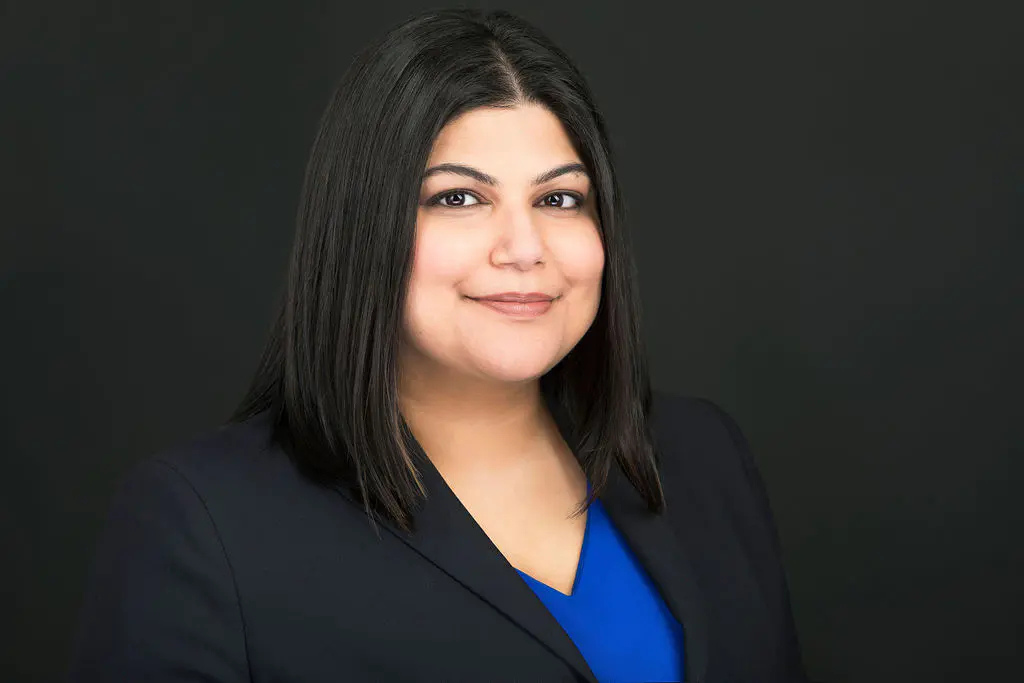
Deepa Tailor
Senior Family Lawyer
Deepa Tailor defends clients in high-stakes FRO enforcement proceedings, helping negotiate payment plans that avoid jail time and license suspension. With extensive experience in Default Hearings, she understands the critical importance of proper preparation and strategic advocacy when your liberty is at risk.
View Full BioFacing the FRO? Don't Walk Into Court Unprepared.
A Default Hearing puts your freedom at risk. Get expert legal defense to negotiate a payment plan and avoid jail time.
Book Your Defense Strategy CallFree consultation • Experienced FRO defense lawyers • Immediate action