Executor Duties: A Checklist for the First 30 Days After Death
You have been named Estate Trustee. Here is the step-by-step roadmap to securing assets, planning the funeral, and applying for Probate without personal liability.
Legal Review: Reviewed by Deepa Tailor, Senior Family Lawyer, to ensure compliance with the Estates Act and Trustee Act duties.
Too Busy to Read? The 30-Second Answer
Your Role:
As an Executor (Estate Trustee), you are personally liable for the assets. You must act in the best interest of the beneficiaries.
The First Step:
Do NOT start distributing money or paying debts immediately. Your first job is to secure the assets (lock the house, take the car keys).
The Probate Rule:
Most banks will freeze accounts over $50,000 until you obtain a “Certificate of Appointment of Estate Trustee” (Probate).
The Payment:
You are generally entitled to compensation (roughly 5% of the estate value) for your work, but this is taken at the end, not the beginning.
The Roadmap: What to Do and When
A step-by-step timeline to guide you through the critical first 30 days as an Estate Trustee.
Phase 1: Days 1-5 (Immediate Action)
Locate the Will
Search the home, safety deposit box, or contact their lawyer.
The Funeral
The Executor has the final say on funeral arrangements (not necessarily the family), but usually follows the Will’s wishes.
Secure Property
Change locks on the home, park vehicles in a garage, and ensure insurance policies are active.
Phase 2: Days 6-14 (Information Gathering)
Get Proof of Death
Order multiple copies of the Funeral Director’s Statement of Death (you will need these for banks/government).
Notify Authorities
Cancel Health Card, Driver’s License, OAS/CPP pensions, and credit cards.
Asset Inventory
Start a spreadsheet listing all bank accounts, investments, and debts.
Phase 3: Days 15-30 (The Legal Filing)
Value the Estate
Determine the total value of assets to calculate the Estate Administration Tax (EAT).
Notify Beneficiaries
Send a formal notice to all beneficiaries named in the Will.
Apply for Probate
Work with a lawyer to submit the application to the Superior Court of Justice.
Executor Myths Debunked
The Hollywood Myth
“We need to gather everyone in the lawyer’s office for the Reading of the Will.”
The Ontario Reality
There is no formal “Reading of the Will” in Ontario. The Executor simply mails a copy of the Will (or the relevant extract) to the beneficiaries. It is a paperwork process, not a dramatic event.
Protecting Yourself from Liability
Executors can be sued if they make mistakes. Avoid these common traps:
The ‘Early Payout’
Never distribute inheritance money before debts and taxes are paid. If the CRA claims unpaid taxes later, YOU may have to pay them personally.
The ‘Sold House’
Do not sign a firm Agreement of Purchase and Sale for the house until you have the Probate Certificate (or make the sale conditional on probate). You cannot transfer the title without it.
Frequently Asked Questions
No. You are not personally responsible for their debts unless you co-signed the loan. The debts are paid from the estate’s assets. If there isn’t enough money, the debts die with the person.
Need Help with Estate Administration?
Being an Executor is a significant responsibility. Our estate lawyers can guide you through the probate process and protect you from personal liability.
Serving Toronto, Mississauga, Brampton, and the Greater Toronto Area
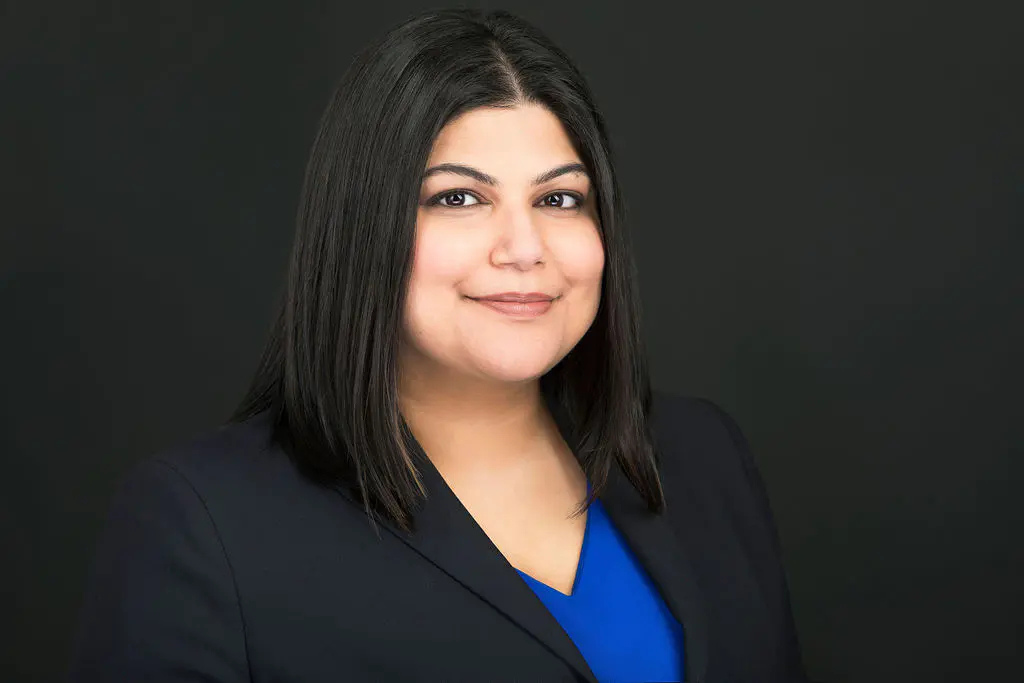
Deepa Tailor
Deepa Tailor is the founder of Tailor Law. She advises clients on Estate Administration and the intersection of Family Law and Estate Planning to ensure proper asset protection and distribution.